Welcome to Mid East Art
Mid East Art is a digital storytelling platform of art and culture of the Middle East region that focuses on analyzing the regional modern art scenes, and a digital periodical of current artists and contemporary practices within and across the Diaspora. Its content is displayed through curated series, showcased in essays, video and text interviews, published articles and its Instagram @mideastart that includes informative posts and engaging stories.
RECENT POSTS:
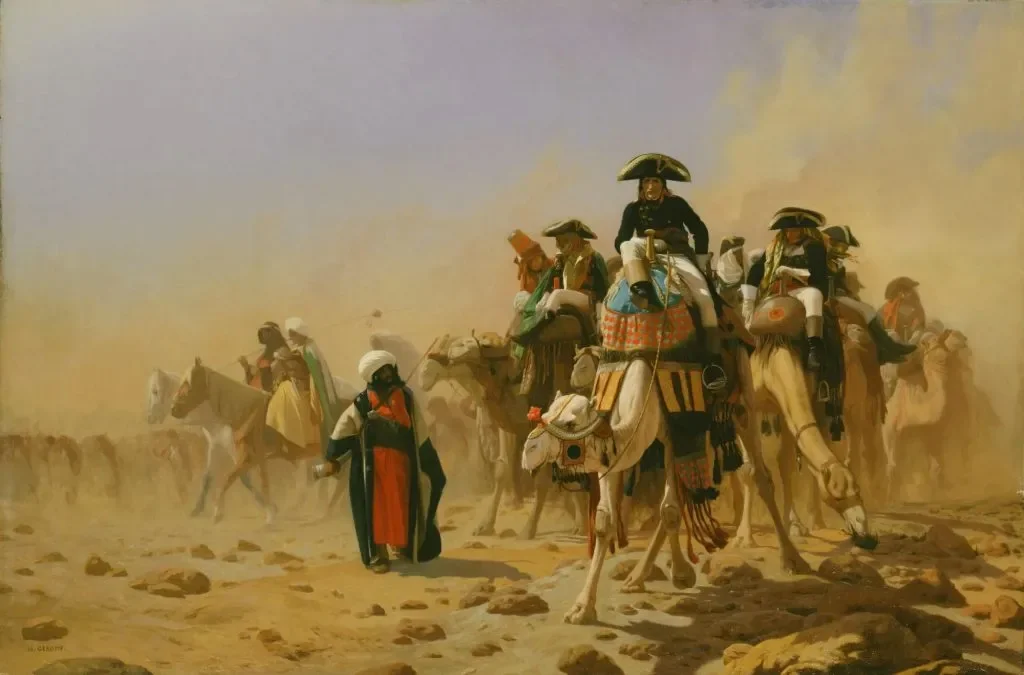
In this essay, Algerian writer and researcher Hanaa Khadraoui explores the crossroads of Arab literature, translation, identity, and representation. She asks a timely question: who gets to shape how Arab stories are seen, remembered, and understood by the wider world?
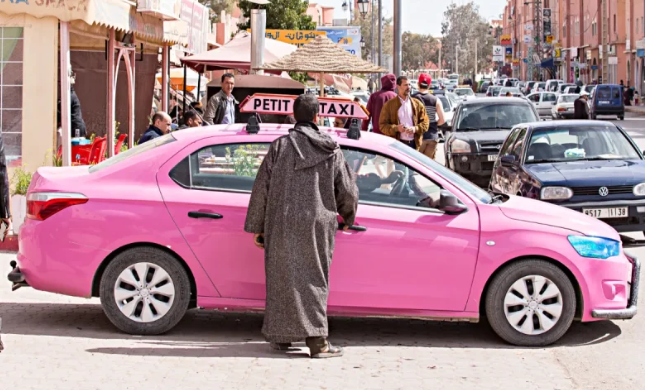
In Morocco, a taxi is more than a way to get from A to B. From colour-coded city cars to the legendary Mercedes-Benz “Merci dix,” discover the unwritten rules, shared journeys, and cultural stories behind Morocco’s unique taxi system.
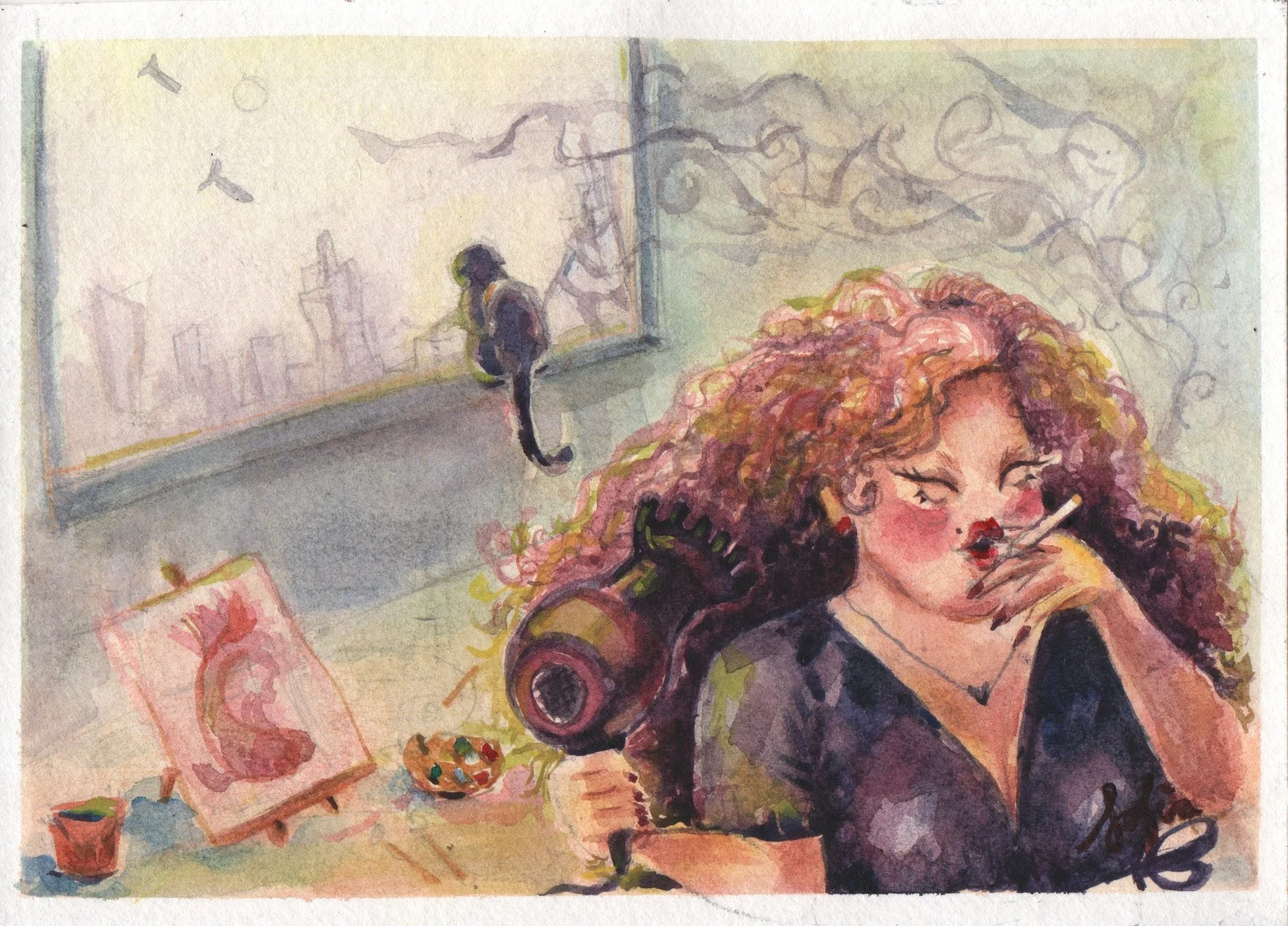
In this edition of Dear Diary, Sofia A writes about surviving war, losing love, losing work, and the strange guilt of wanting to be happy while the world keeps falling apart.
After years of postponing her life for a “better time,” it took a hairdryer, a trip to Kite Beach, and a box of forgotten oil pastels to make her realize: maybe there will never be a right time.
And maybe that’s exactly why we should stop waiting.
In this Dear Diary entry, our narrator wakes up at 4:30 in the morning and decides to see the world at dawn, without her phone, without a plan, and perhaps without realizing that she is really trying to escape her own thoughts.
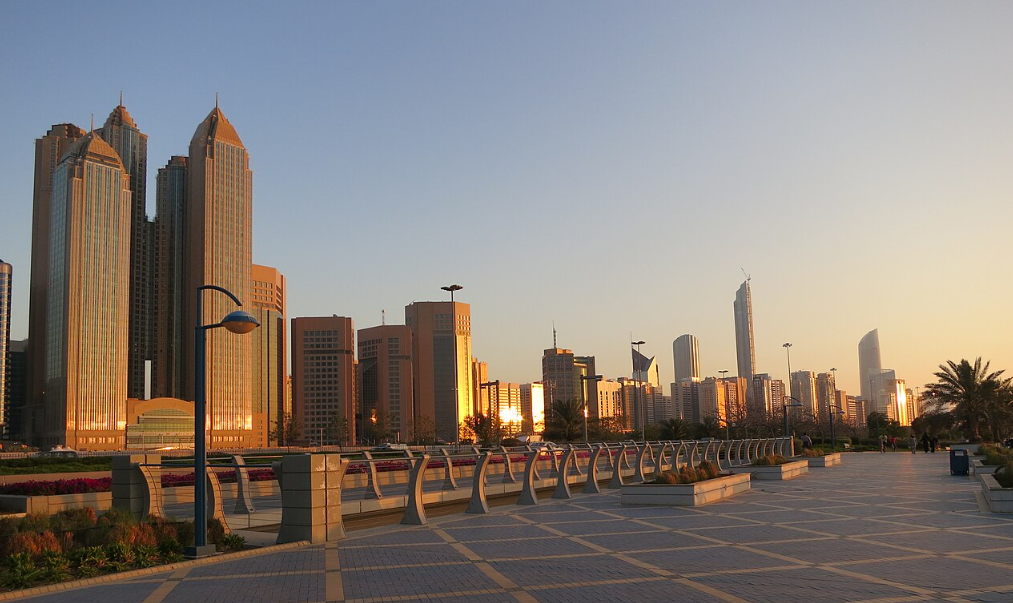
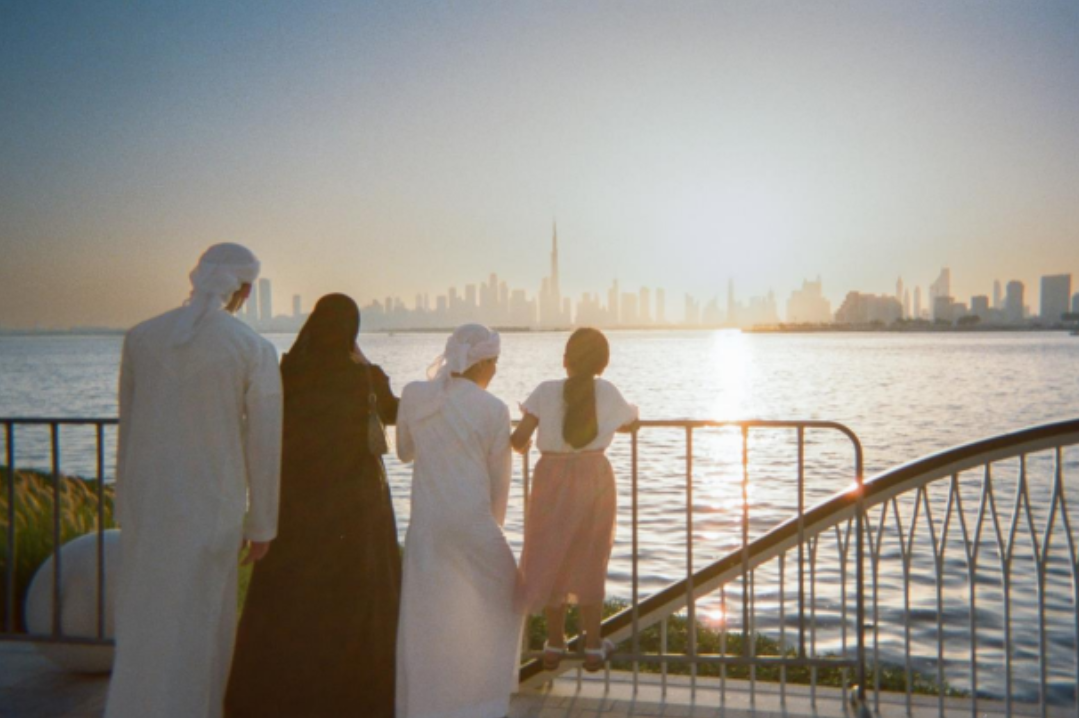
In this Dear Diary entry, Aisha Esmaeilzadeh reflects on an ordinary evening by the water in the UAE, and why it became a memory she would eventually understand the importance of.
No celebration. No milestone. Nothing worth remembering, or so it seemed.
But years later, she finds herself thinking about the fading sunlight, the skyline in the distance, the silence between people she loves, and all the ordinary moments we never realize we are going to miss.
Maybe the moments that matter most are the ones we almost forget to photograph.
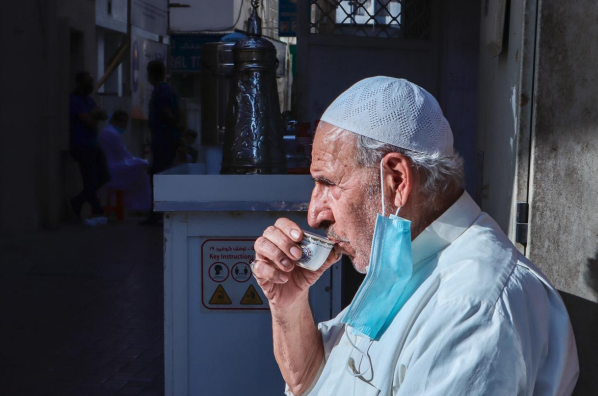
For more than forty years, Hussain Ali Al Khawaldi served Arabic coffee from the same small stand on Dubai’s Naif Street. Through his photograph, Aisha Esmaeilzadeh reflects on the quiet rituals, familiar faces, and everyday moments that make a city feel like home — and what remains when those places disappear.
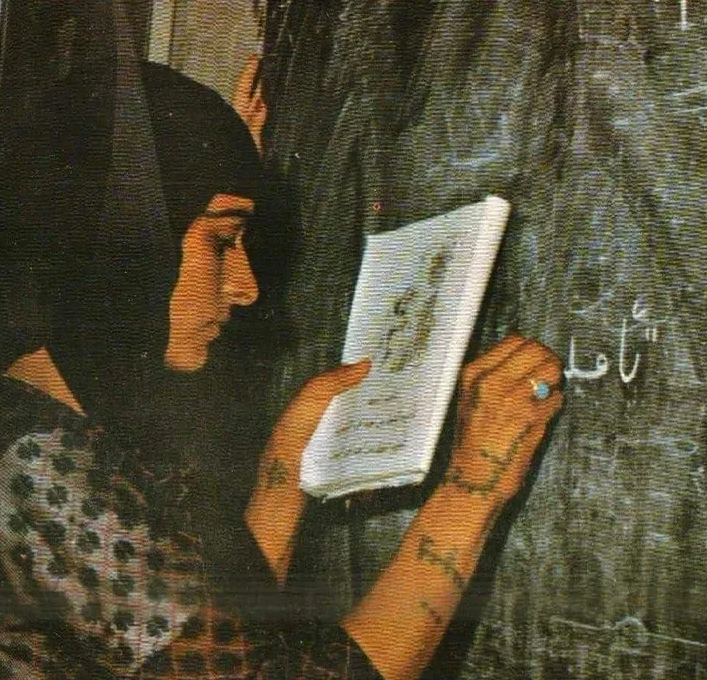
Before tattoos became a form of self-expression, they could tell a person’s story-- their tribe, their marriage, their beliefs, and the world they belonged to. From the blue-green markings of Iraqi women to the disappearing tattoos of Amazigh communities, explore the ancient art of daqq and the generations of memory held in the skin.
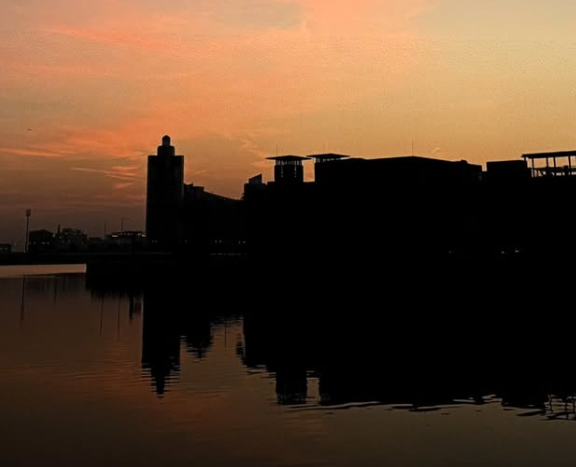
Contributor Shania Cavalida takes us on a quiet walk through Al Jaddaf before sunrise. Through the unnoticed sounds of birds beneath the Garhoud Bridge, empty buses, creek waters, and the slow arrival of dawn, this story asks us: How is stillness found in a city that is constantly in a rush?
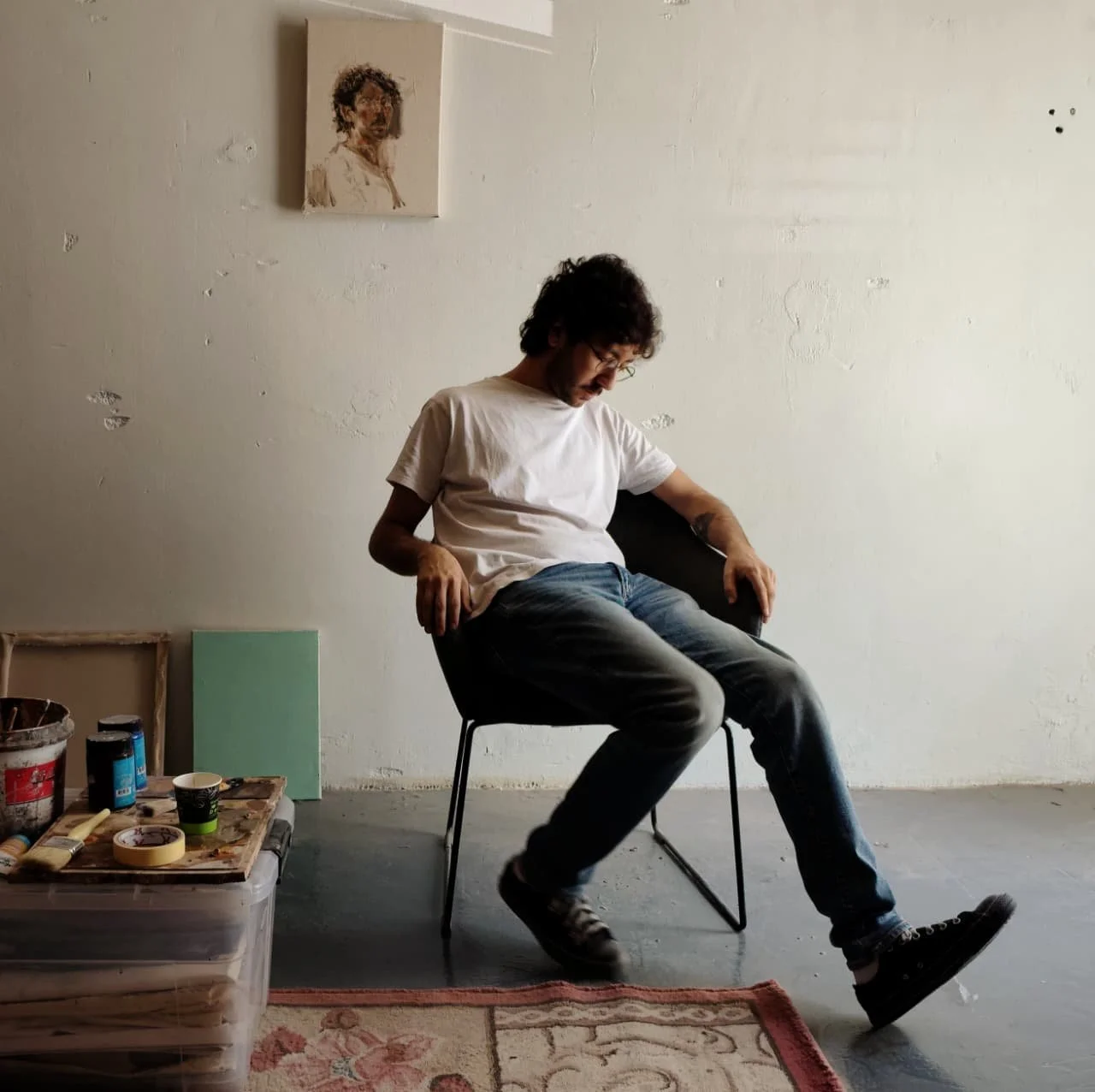
From his Sharjah studio, Antoine Deeb reflects on the questions that shape his practice. On authorship, uncertainty, and the patience required to grow into the artist he is becoming.
Introducing the ‘Artists in Quarantine’ series that is documenting artists from the region who are finding creativity in self-isolating times. What are artists doing while under quarantine in their studio and creative spaces? The series featured in short episodes on Instagram and MEA blog includes photos, short videos and inspiring quotes—opening a window into these artists’ intimate spaces to see how they have been creatively coping.
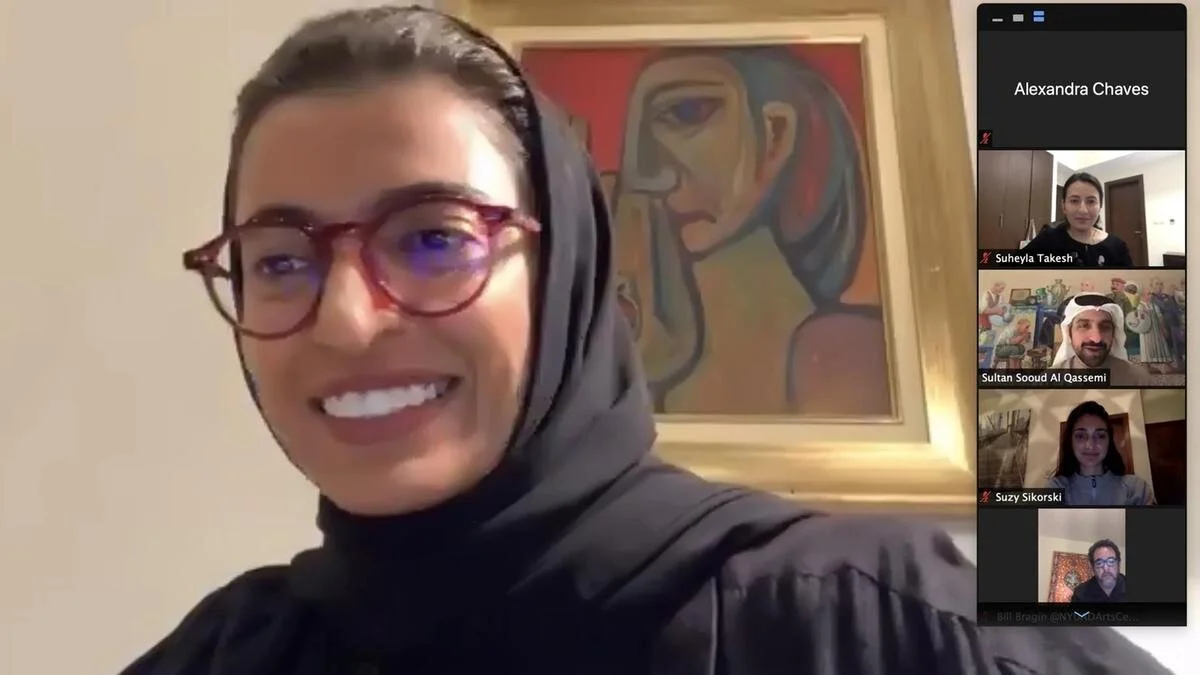
This April, Suzy shared her ‘story on Instagram storytelling’ in promoting further Middle Eastern art education during Sultan Al Qassemi’s first online cultural majlis. Speakers included HE Noura Al Kaabi, Minister of Culture and Knowledge Development; Vilma Jurkute, Director of Alserkal Avenue; Manal Ataya, Director-General of the Sharjah Museums Authority; Suheyla Takesh, Curator at Barjeel Art Foundation; and Bill Bragin, Executive artistic director of The Arts Center at NYU Abu Dhabi.
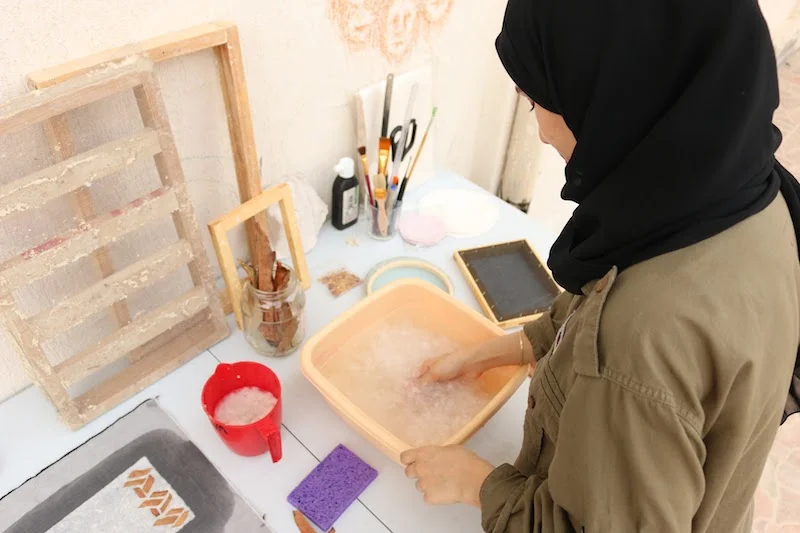
Taqwa's vision is in line with these older artists, in that she uses materials from her environment and understands the importance of listening to her elders, both at home and in her local art community. A native of Khorfakkan and an artist since a young age, she has now developed a passion for bookbinding and printmaking that uses the stories and materials that are close to her.
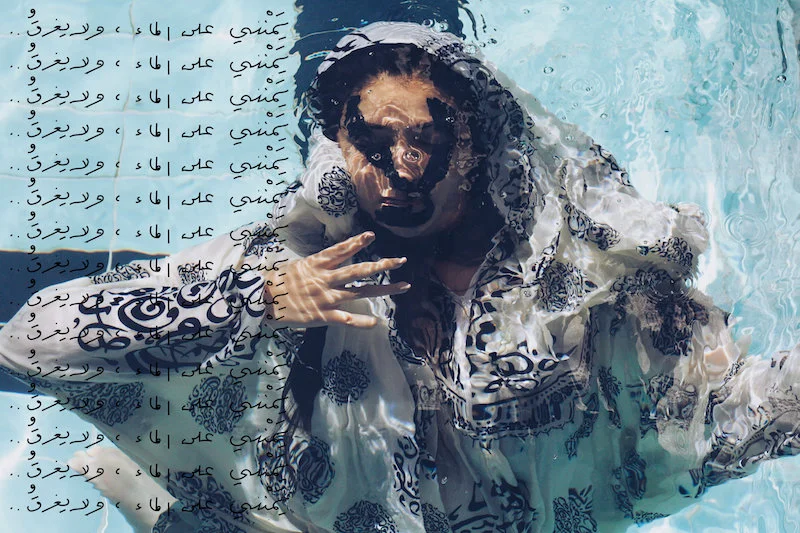
Nouf is an experimental photographer and visual communications designer who uses her background in English Literature and Linguistics to explore identity politics and gender issues from a feminist perspective.